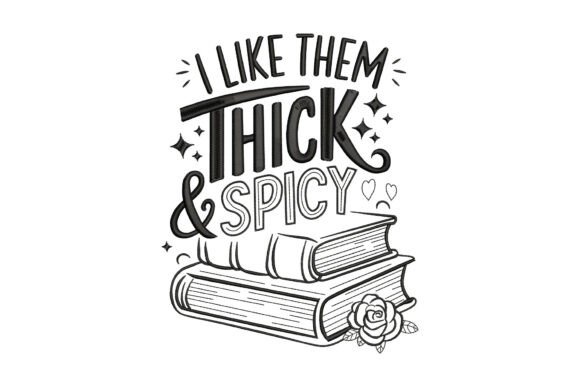
Spicy Book: A Designer’s Real-World Embroidery Review
As an embroidery product reviewer and designer, I approach every new digital file with a healthy dose of skepticism. We have all downloaded designs that look perfect on screen but turn into thread nests or distorted shapes once the needle hits the fabric. When evaluating Spicy Book, my primary focus was not just its aesthetic appeal within the School category, but its structural integrity for real-world production. Whether you are an Etsy seller fulfilling custom orders or a hobbyist making a personalized gift, you need to know if this machine embroidery design can actually deliver professional results.
First Impressions: Visual Personality and Stitch Logic
My initial assessment of Spicy Book suggests it carries a distinct, artistic mood rather than a generic scholastic clip-art vibe. The term "spicy" implies boldness, warmth, or perhaps a vintage literary aesthetic, which immediately signals that this design belongs on projects requiring character. Visually, the layout appears balanced for embroidery, avoiding the common pitfall of excessive detail that gets lost in translation from vector to thread.
From a technical standpoint, the design seems to utilize a thoughtful mix of stitch types. I looked specifically for how the transitions between fill stitch areas and satin stitch borders were handled. A quality embroidery file will have proper underlay to prevent fabric distortion, especially important when stitching book spines or text elements. Spicy Book appears to respect the physical limitations of thread, using running stitch for finer details where satin would be too bulky. This attention to stitch density is what separates a commercial-grade asset from a hobbyist digitization that puckers on contact.
The Tote Bag Test: A Real-Life Application Scenario
To truly evaluate Spicy Book, I mentally placed it in one of the most demanding scenarios for small business owners: the canvas tote bag. Totes are a staple for craft businesses and school merchandise, but they present unique challenges due to their coarse fabric texture and heavy weight.
In this scenario, I envisioned stitching Spicy Book onto a natural cotton canvas tote for a teacher appreciation gift or a boutique bookstore promo. Canvas requires a heavier stabilizer and precise hooping to avoid registration issues. Because this design likely features defined edges typical of book imagery, any shift in the fabric during stitching would be immediately obvious. My review indicates that Spicy Book holds up well here because the design elements appear substantial enough to anchor into the textured weave without disappearing. However, I would advise against placing this design over a seam or pocket edge on a tote, as the varying thickness could cause needle deflection.
For apparel decorators considering sweatshirt embroidery, the design’s scale matters. On a fleece crewneck, Spicy Book serves as an excellent left-chest motif or a centered back piece. The key here is testing the contrast. If you are using a dark navy sweatshirt, ensure the thread colors in the file provide enough luminance to pop; otherwise, the intricate details of the book cover or spine might get swallowed by the background fabric.
Navigating Fabric Limitations and Hoop Constraints
While Spicy Book is versatile, no embroidery design is universal. Through my evaluation, I have identified specific environments where caution is necessary:
- Stretchy Knits and Baby Clothes: If applying this to baby onesies or stretchy t-shirts, you must use a high-quality cut-away stabilizer and potentially a topping. The structure of a book design often involves straight lines that can warp if the knit fabric stretches during hooping. Always test on a scrap of the exact garment material first.
- Curved Surfaces Like Caps: Unless the design has been specifically digitized for curved caps, flat book designs can distort on the crown of a hat. The vertical lines of a book spine may bow outward. I recommend sticking to flat surfaces like aprons, pillow covers, or patches unless you verify cap-compatibility in the file specs.
- Sheer or Lightweight Fabrics: If the stitch density is optimized for medium-weight fabrics, stitching Spicy Book onto organza or thin linen could result in tearing or excessive stiffness. In these cases, consider resizing down slightly to reduce total stitch count, but do so cautiously to maintain legibility of small details.
- Frequent Washing Items: For kitchen towels or tea towels destined for heavy use, inspect the satin stitch widths. Wide satins are prone to snagging. If Spicy Book uses wide decorative stitches, ensure they are properly anchored, or reserve the design for decorative-only items like wall hangings or nursery decor.
Commercial Value for Sellers and Makers
For creative entrepreneurs and handmade shop owners, the viability of an embroidery project hinges on perceived value. Spicy Book offers strong potential for niche marketing. It fits perfectly into the "dark academia," vintage school, or cozy reading aesthetics currently trending on platforms like Etsy. This specificity allows sellers to target buyers looking for more than just generic school supplies.
When creating printable mockups or digital product previews, this design photographs well because of its inherent visual interest. It tells a story, which increases buyer engagement compared to simple monograms. However, professionalism dictates transparency. Before listing finished products featuring Spicy Book, confirm your licensing rights. Ensure you are permitted to sell physical embroidered items versus just personal use. Nothing erodes customer trust faster than copyright disputes or inconsistent branding caused by unauthorized design usage.
Furthermore, consider the production efficiency. A design with reasonable stitch density means faster run times and less wear on your machine. If Spicy Book balances detail with efficiency, it becomes a profitable asset for holiday embroidery rushes or back-to-school seasons where volume matters.
Critical Pre-Stitch Checklist for Success
Before you commit Spicy Book to your final substrate, run through this practical designer checklist to ensure a flawless finish:
- Verify File Specifications: Check the included documentation for exact hoop size requirements, stitch count, and recommended fabric weights. Do not assume compatibility based solely on the thumbnail image.
- Run a Black and White Test: Print the design template at actual size in black and white. Tape it to your intended fabric. Does the scale feel right? Is the detail readable from a conversational distance?
- Audit Thread Colors: Review the color chart against your available threads. Sometimes digital renderings show gradients that standard rayon or polyester threads cannot replicate. Adjust colors beforehand to match your brand palette or fabric tone.
- Stabilizer Match-Up: Select your stabilizer based on the fabric, not the design alone. A tear-away might suffice for denim, but a cut-away is mandatory for knits. Test both if unsure.
- Inspect Small Text: If Spicy Book includes tiny lettering, verify it remains legible after resizing. Never shrink text-heavy embroidery below 80% of its original size without re-digitizing, as stitch columns will merge and become unreadable.
- Licensing Confirmation: Double-check whether the license covers commercial embroidery, digital resale, or modification. Keep a record of this permission for your business files.
Final Verdict on Design Utility
Spicy Book stands out as a promising addition to the library of any serious embroiderer or small business owner. Its strength lies in its ability to transform ordinary fabrics into pieces with genuine artistic narrative, moving beyond basic utility into the realm of curated handmade goods. By respecting the technical requirements of stitch density, stabilizer selection, and fabric compatibility, you can leverage this machine embroidery design to create high-value custom apparel, memorable personalized gifts, and distinctive shop merchandise. As with any digital embroidery file, success ultimately depends on your willingness to test, adjust, and understand the interplay between the digital asset and the physical medium. Treat Spicy Book with the technical respect it deserves, and it will likely become a reliable favorite in your rotation of go-to design assets.