Floating Books: A Seasonal Embroidery Design Review
As an embroidery designer planning my upcoming seasonal collection, I am constantly evaluating which digital assets will translate best into profitable, high-quality finished products. When reviewing the Floating Books machine embroidery design for potential inclusion in a holiday or back-to-school lineup, my primary focus is versatility and stitch integrity. This design captures a whimsical, intellectual charm that bridges the gap between academic nostalgia and cozy seasonal aesthetics. For Etsy sellers, apparel decorators, and small business owners, understanding how this specific artwork performs on various substrates is crucial for maintaining customer trust and minimizing production waste during the busy holiday rush.
Capturing the Seasonal Mood and Emotional Tone
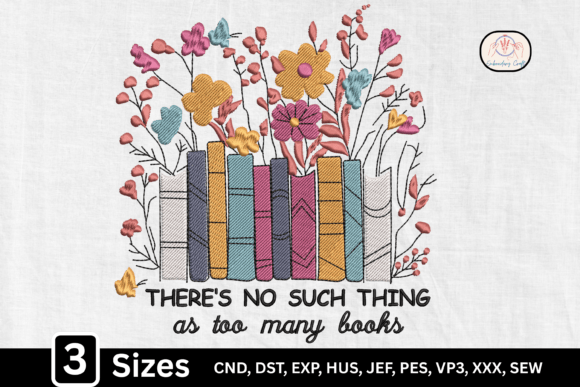
The first impression of Floating Books is one of playful sophistication. Unlike rigid, traditional school motifs, this design possesses a dynamic movement that suggests magic, learning, and imagination. From a seasonal selling perspective, this emotional tone is invaluable. It evokes feelings of comfort and curiosity, making it an excellent candidate for both autumn transitions and winter holiday gifting. The decorative style leans towards modern vintage, allowing it to fit seamlessly into rustic farmhouse decor or contemporary apparel lines.
For handmade gift makers, this emotional resonance drives sales. Customers are not just buying a book icon; they are purchasing a sentiment of literacy, adventure, and cozy evenings. Whether intended for a teacher appreciation gift, a librarian’s personal tote, or a child’s holiday sweatshirt, the design communicates warmth. As a designer, I appreciate that it avoids being overly juvenile, which expands its marketability to adult readers and home decor enthusiasts seeking personalized gifts with substance.
Strategic Product Applications for Holiday Sales
When building a seasonal shop collection, I look for designs that can be scaled across multiple product categories without losing their identity. Floating Books excels in this area due to its balanced composition. Here is how I envision integrating this embroidery file into a diverse product lineup:
- Sweatshirt Embroidery: Placed on the left chest or centered on a crewneck, this design adds personality to heavy-weight fleece. The "floating" aspect prevents the design from looking like a stiff corporate logo, maintaining the soft drape of the garment.
- Tote Bag Design: Canvas totes are staple holiday items. This design provides enough visual weight to stand out on natural cotton canvas while remaining light enough to prevent fabric distortion.
- Kitchen Towel Embroidery: For tea towels and dish cloths, the whimsical nature of floating books appeals to hosts and home cooks. It pairs beautifully with literary quotes or monograms for bundled gift sets.
- Pillow Cover Accents: In home decor, this motif works exceptionally well on linen or velvet throw pillows, contributing to a "dark academia" or cozy library aesthetic popular during colder months.
- Embroidered Patches: Creating iron-on or sew-on patches allows for inventory flexibility. These can be sold as standalone add-ons or applied to denim jackets and backpacks for a customizable retail experience.
For commercial embroidery businesses, this adaptability means one digitized file can generate revenue across apparel, accessories, and home goods, maximizing the return on investment for the digital embroidery file.
Technical Considerations and Fabric Limitations
While Floating Books is visually captivating, practical application requires careful technical assessment. Not every fabric texture or hoop size is suitable for this level of detail. As experienced embroiderers know, the difference between a premium product and a rejected sample often lies in stabilizer choice and density management.
Navigating Hoop Sizes and Small Details
If you are resizing this design for smaller hoops, such as 4x4 inch frames, vigilance is required. Intricate details in book spines or floating elements may merge if reduced too aggressively. Always verify the minimum recommended size before stitching. Tiny lettering or fine line work within the design may need to be simplified or removed entirely for micro-applications like baby bibs or cap fronts. Never assume a digital embroidery file scales infinitely without checking stitch density and underlay adjustments.
Fabric Texture and Stabilizer Selection
The "floating" effect implies negative space and delicate connections. On thick terry cloth towels or plush fleece, these open areas can get lost or cause registration issues. For kitchen towel embroidery or sweatshirts, using a water-soluble topping is non-negotiable to keep stitches above the pile. Conversely, on stretchy knits used for t-shirts and holiday pajamas, a cut-away stabilizer is essential to prevent puckering. Dark fabrics present another challenge; ensure the design includes adequate underlay or consider testing thread colors to maintain contrast and visibility against navy, burgundy, or forest green seasonal bases.
Enhancing Buyer Perception and Brand Value
In the competitive landscape of seasonal embroidery, visual recognition and perceived value dictate pricing power. Floating Books contributes to brand consistency by offering a distinct artistic voice that separates your shop from generic clip-art vendors. When customers see this design on a printable mockup or social media preview, they should immediately associate it with quality craftsmanship.
This design supports higher price points because it feels curated rather than mass-produced. For Etsy sellers, listing photos featuring this design on textured fabrics like waffle knit or linen signal attention to detail. Furthermore, when used in limited edition drops or family matching sets, the unique character of Floating Books fosters engagement. Buyers are more likely to tag your shop and share user-generated content when the product feels special and photogenic. This organic promotion is vital during peak holiday shopping periods where ad costs rise and trust becomes the primary conversion factor.
Designer Notes for Successful Production
Before adding Floating Books to your active production queue, adhere to these professional best practices to ensure your finished product meets customer expectations:
- Test Stitch on Target Fabric: Never skip the test run. Stitch the design on the exact material you intend to sell. Check for gaps, thread breaks, or excessive density that could distort the fabric.
- Verify Thread Colors: Seasonal palettes shift rapidly. Test metallic threads for accents, but be aware they require specialized needles and slower speeds. Ensure standard rayon or polyester threads provide sufficient coverage.
- Confirm Commercial Licensing: Before selling any finished product or offering the file itself, review the license terms associated with this specific machine embroidery design. Protect your business by ensuring you have the right to use the artwork for commercial embroidery purposes.
- Create Realistic Mockups: Avoid flat, digital-only representations. Photograph the stitched sample on actual merchandise. Accurate representation reduces returns and builds buyer confidence.
- Check Wash Durability: If marketing this for children’s wear or kitchen linens, wash and dry the test sample three times. Ensure the floating elements remain secure and the design does not shrink away from the fabric.
By approaching Floating Books with both creative enthusiasm and technical discipline, you transform a simple digital file into a cornerstone of your seasonal inventory. Whether you are crafting personalized gifts for teachers, decorating holiday apparel, or expanding your home decor line, this design offers the perfect blend of charm and commercial viability. Remember to always consult the specific product details regarding stitch count, formats, and sizing before purchase to ensure compatibility with your equipment and business goals.